






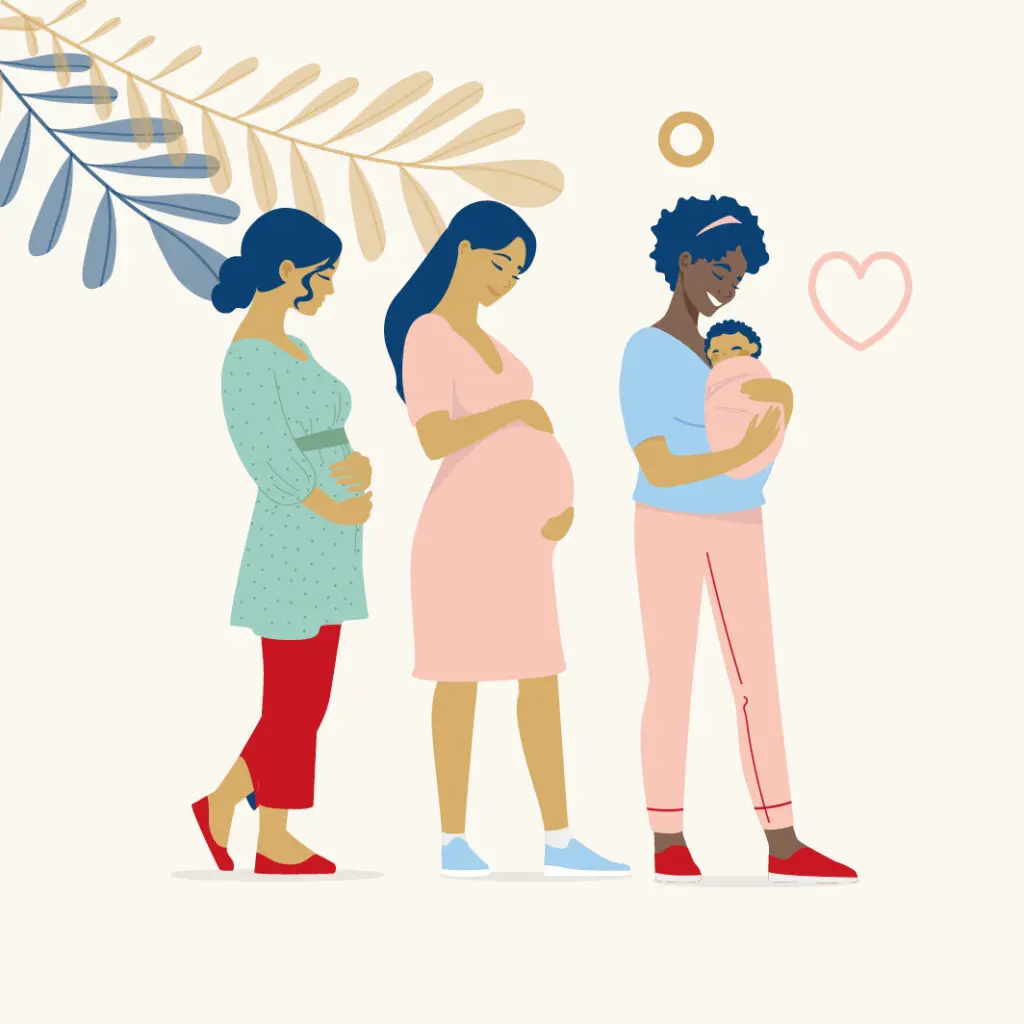

















Three years before becoming pregnant, I experienced a pulmonary embolism (PE). Because of that, I was fortunate to already know a little about blood clots and the warning signs. As soon as I found out I was pregnant, I was started on blood-thinning injections. They gave me reassurance, and I believed I was being protected. What I didn’t realise was that being on treatment didn’t mean I was completely out of danger.
My pregnancy was far from straightforward. I suffered with severe morning sickness and anaemia, leaving me exhausted and constantly breathless. It was easy to assume every new symptom was simply part of pregnancy or linked to my anaemia. My midwife was wonderful and made sure I was taking all the medication I needed, but despite doing everything right, things still changed.
When I caught the flu, my health deteriorated rapidly. I became so unwell that I went to hospital because I was worried about both myself and my baby. It wasn’t until then that more concerning symptoms appeared. I developed chest pain and felt lightheaded, but even those symptoms could easily have been explained away by my anaemia. What I believed was simply a difficult pregnancy turned out to be something much more serious. I had developed more blood clots.
Looking back, I realise how easy it is to dismiss symptoms during pregnancy because so many of them overlap with normal pregnancy changes or other conditions. Breathlessness, tiredness and dizziness can all seem expected, but sometimes they are your body’s way of telling you something isn’t right.
My message to every pregnant woman is this: trust yourself. If something doesn’t feel right, seek medical advice, even if you think there’s another explanation. I was receiving the right treatment and still developed another PE. Listening to my body and getting checked when I knew something had changed may have saved my life.
If sharing my story encourages just one person to seek help sooner, then it has been worth telling. Blood clots don’t always look the way we expect them to, and recognising that could make all the difference.